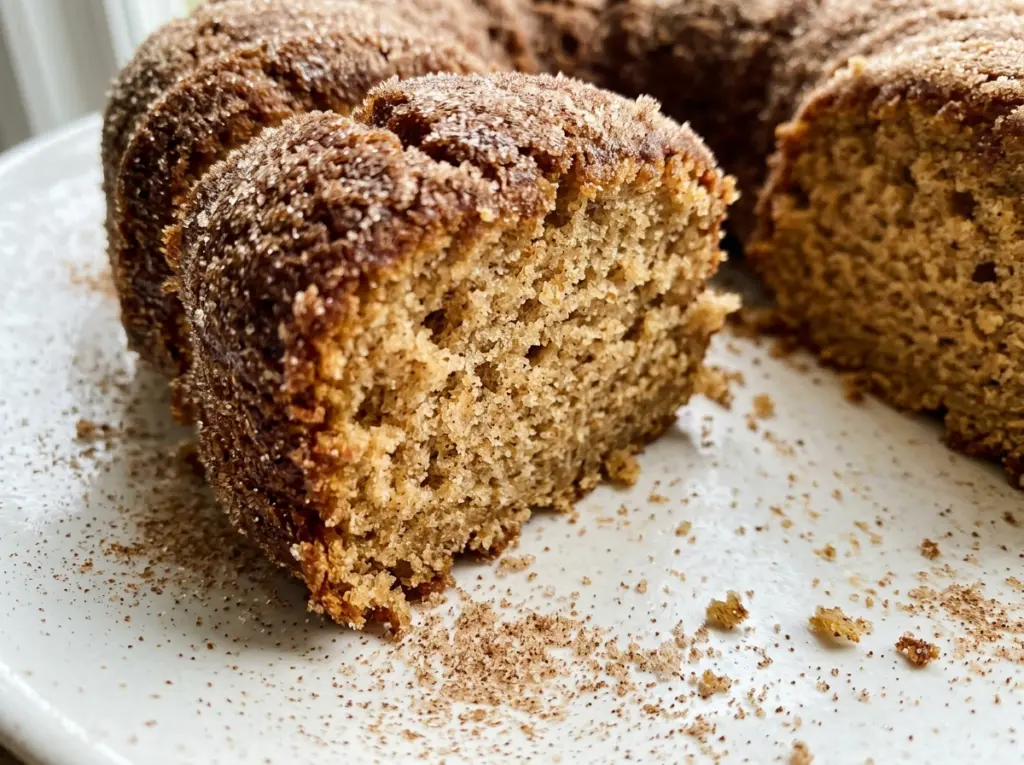
When the Bundt pan lifts away cleanly, the ridges are still warm and ready for their cinnamon-sugar coat. That’s the moment I want with this Apple Cider Donut Cake: a tender, spiced crumb inside and a buttery finish on the outside, without the fuss of frying individual donuts.
I build the batter by adding the dry ingredients and cider mixture in turns, starting and ending with flour. It keeps the mixture coming together gently, so I stop as soon as the last streaks disappear rather than beating it smooth. The result is a generous Bundt cake with apple cider in every slice and a coating that clings to its curves.
Kitchen Note
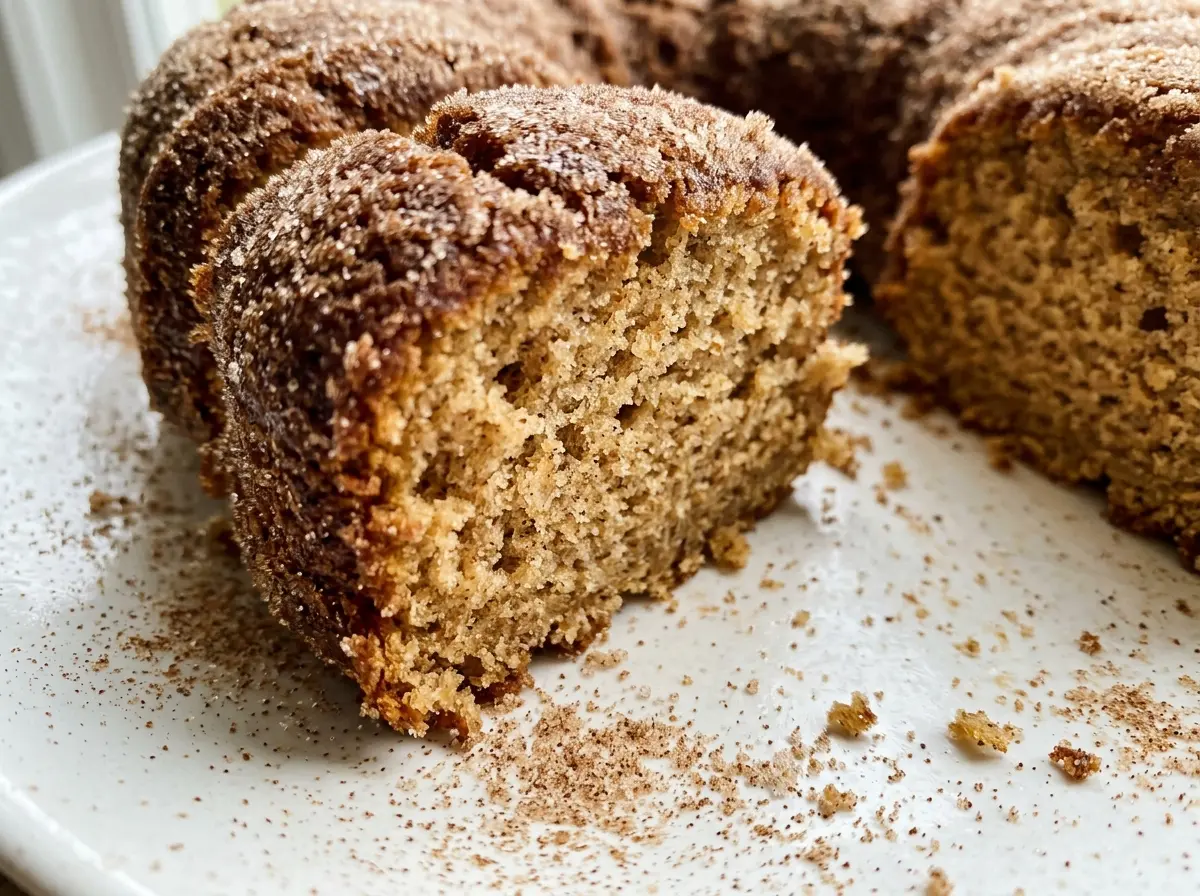
Don’t leave the cake in the Bundt pan until it’s cool. Give it 15 minutes, then invert it onto a rack; that short rest helps it release while it’s still warm enough to take the coating later.
Save this Apple Cider Donut Cake for a bake with warm cider flavor and a buttery cinnamon-sugar finish.
Why the Cider Has to Shrink Before It Goes Into the Batter
Two cups of cider would bring plenty of liquid to the mixing bowl, but it would also dilute the apple flavor in a cake already made with applesauce. Simmering the cider until only half a cup remains concentrates its taste while keeping the batter’s liquid in balance. That reduction is what gives the cake a clear apple-cider note instead of asking cinnamon and nutmeg to carry the whole flavor.
There’s no need to boil it hard. A steady simmer gives the liquid time to reduce over about 15–20 minutes; keep an eye on the level as it gets close to half a cup. Let it cool completely before mixing it with the applesauce, sour cream, and vanilla. Warm cider can soften the butter in the creamed mixture, so cooling it isn’t a step to rush.
Cider, Applesauce, and Sour Cream Each Have a Different Job
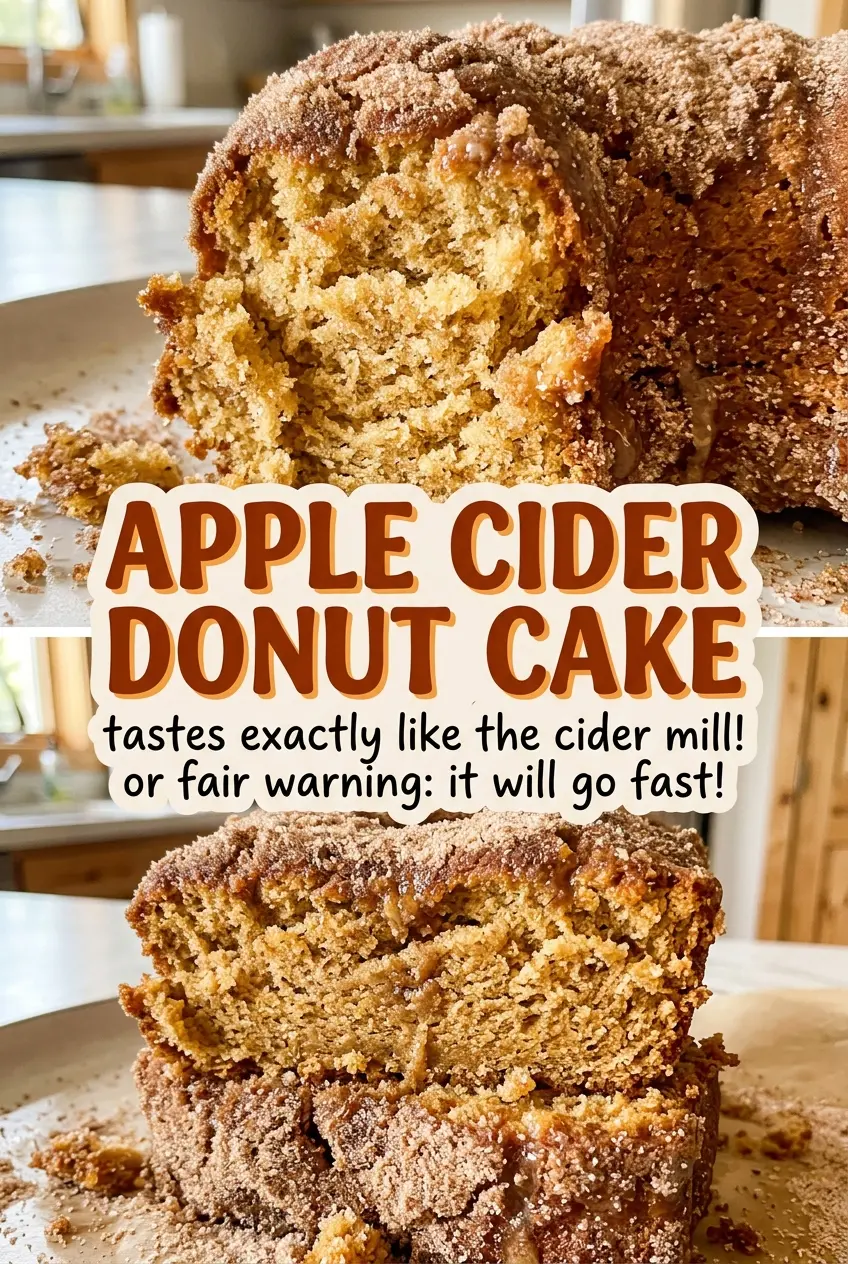
- Apple cider — Choose cider with a clean apple aroma; reducing it concentrates that flavor. It needs to cool completely before it joins the wet ingredients. I don’t recommend swapping in a different liquid, because the reduction is an important part of the cake’s apple character.
- Unsweetened applesauce — It contributes moisture and apple flavor without adding the extra sweetness of a sweetened version. Keep it unsweetened so the sugar balance stays where intended, and stir it into the other wet ingredients rather than adding it directly to the butter.
- Sour cream — This brings moisture and a gentle tang that keeps the crumb from tasting flat. Room-temperature sour cream blends more evenly with the cider mixture. There isn’t a tested replacement in this formula, so I’d use sour cream rather than changing the dairy.
- Butter and eggs — Softened butter needs to beat with the sugar until pale and fluffy; that aeration helps give the cake its lift. Room-temperature eggs blend into the butter mixture more smoothly when added one at a time. Set both out ahead so they aren’t cold when you start.
- Flour and leaveners — All-purpose flour gives the Bundt cake enough structure to hold its shape, while baking powder and baking soda help it rise. Whisk them thoroughly with the spices and salt so they’re distributed before they meet the wet ingredients.
- Cinnamon, nutmeg, and the coating — Ground cinnamon and nutmeg give the cake its familiar spiced-donut character. For the finish, granulated sugar stays crisp against the melted butter, and cinnamon makes the coating taste connected to the cake rather than separate from it.
Build the Batter Without Losing Its Loft
Reduce the Cider and Set Up the Pan
Simmer the apple cider in a small saucepan over medium heat until it measures half a cup, which takes about 15–20 minutes. Let it cool completely, not just until it stops steaming. Heat the oven to 350°F and thoroughly coat a 10- to 12-cup Bundt pan with baking spray with flour. Get into the grooves; a thin or missed patch is where a cake is most likely to cling.
Whisk the Dry Ingredients and Cream the Butter
Whisk the flour, baking powder, baking soda, cinnamon, nutmeg, and salt in a medium bowl until the spices look evenly dispersed. In a large bowl, beat the softened butter and sugar for 3–4 minutes, until pale and fluffy. Don’t cut this creaming time short: the mixture should look lighter and have more volume than butter and sugar did at the start. Beat in the eggs one at a time, mixing well after each addition.
Alternate the Flour and Cider Mixtures
Stir the applesauce, sour cream, vanilla, and cooled cider together in a separate medium bowl. Add the flour mixture and cider mixture to the butter mixture in three additions, beginning and ending with flour, and mix on low. Stop as soon as the batter comes together; continued mixing after the flour disappears can make the crumb tougher. Scrape the bowl if you see a pocket of flour or butter mixture at the bottom.
Bake Until the Center Tests Clean
Spread the batter evenly in the prepared Bundt pan, smoothing it into the grooves. Bake at 350°F for 50–60 minutes. Check the center with a toothpick: it should come out clean or with a few moist crumbs, not streaked with wet batter. If the cake needs more time, leave it in the oven and test again rather than relying on the clock alone.
Brush and Press on the Cinnamon Sugar
Cool the cake in the pan for 15 minutes, then invert it onto a wire rack and let it cool until warm, about 20 minutes. Melt the coating butter in a small bowl and stir the cinnamon and sugar together in a shallow dish. Brush the warm cake all over with melted butter, then sprinkle the cinnamon sugar over the surface and gently press it into the ridges. Working while the cake is warm helps the coating adhere; a cool cake won’t take it on as evenly.
Small Changes That Keep the Donut-Cake Character
Make the spice all cinnamon
Use cinnamon in place of the nutmeg in the cake, keeping the same measure. The result tastes more directly cinnamon-forward and less warmly nutmeg-spiced, while the cider and buttery sugar coating still give it its donut-cake feel.
Serve it without the sugar coating
Leave off the melted butter and cinnamon-sugar finish if you want a less sweet cake. The crumb stays tender, but you’ll lose the buttery, lightly crisp exterior that makes it taste like an apple cider donut.
Storage and Reheating
- Room temperature: Keep the cake covered in an airtight container for up to 2 days; the coating is at its best during this time.
- Refrigerator: Store covered for up to 5 days. Chilling firms the crumb, so let slices sit at room temperature before serving.
- Freezer: Freeze fully cooled slices or portions wrapped tightly for up to 2 months. Thaw while still wrapped at room temperature to help keep the cake from drying out.
- Reheating: Serve at room temperature, or warm an individual slice briefly in the microwave. Long heating can melt the butter in the coating and leave it greasy.
Questions That Come Up While Baking This Bundt Cake
Apple Cider Donut Cake
Ingredients
Equipment
Method
- Simmer the apple cider in a small saucepan over medium heat until reduced to 1/2 cup, about 15–20 minutes.
- Let the reduced cider cool completely.
- Preheat the oven to 350°F.
- Thoroughly coat a 10- to 12-cup Bundt pan with baking spray with flour.
- Whisk the flour, baking powder, baking soda, cinnamon, nutmeg, and salt in a medium bowl.
- Beat the softened butter and sugar in a large bowl until pale and fluffy, 3–4 minutes.
- Beat in the eggs one at a time, mixing well after each addition.
- Stir the applesauce, sour cream, vanilla, and cooled cider together in a medium bowl.
- Add the flour mixture and cider mixture to the butter mixture in three additions, beginning and ending with the flour mixture, and mix on low just until combined.
- Spread the batter evenly in the prepared pan and bake for 50–60 minutes, until a toothpick inserted in the center comes out clean or with a few moist crumbs.
- Cool the cake in the pan for 15 minutes.
- Invert the cake onto a wire rack and let it cool until warm, about 20 minutes.
- Melt the butter in a small bowl.
- Stir the sugar and cinnamon together in a shallow dish.
- Brush the warm cake all over with the melted butter.
- Sprinkle and gently press the cinnamon sugar over the surface.


