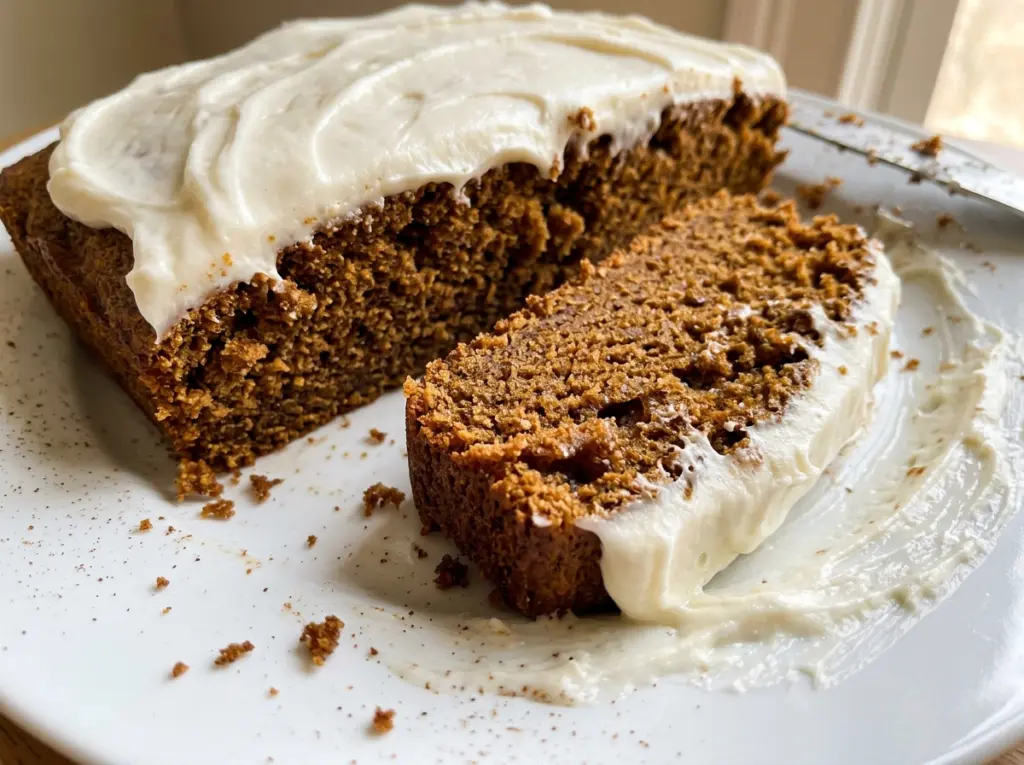
The molasses gives this batter its deep color before it even reaches the oven, and the ginger and cinnamon come through as soon as the cake starts baking. I like this gingerbread sheet cake when I want a soft, warmly spiced slice without fussing over layers or shaping individual portions. It bakes in a 9×13-inch pan, so the pieces are easy to cut and the middle stays tender.
Two small details make the texture work: use unsulphured molasses rather than blackstrap, and mix the flour and buttermilk into the creamed butter in alternating additions. Blackstrap can push the flavor toward bitter, while steady mixing helps keep the crumb soft instead of tough. The batter should be spread evenly before it goes into the oven, then left alone until the center is baked through. Give the cake time to cool in its pan, and each slice will hold its shape with a tender, spiced crumb.
Kitchen Note
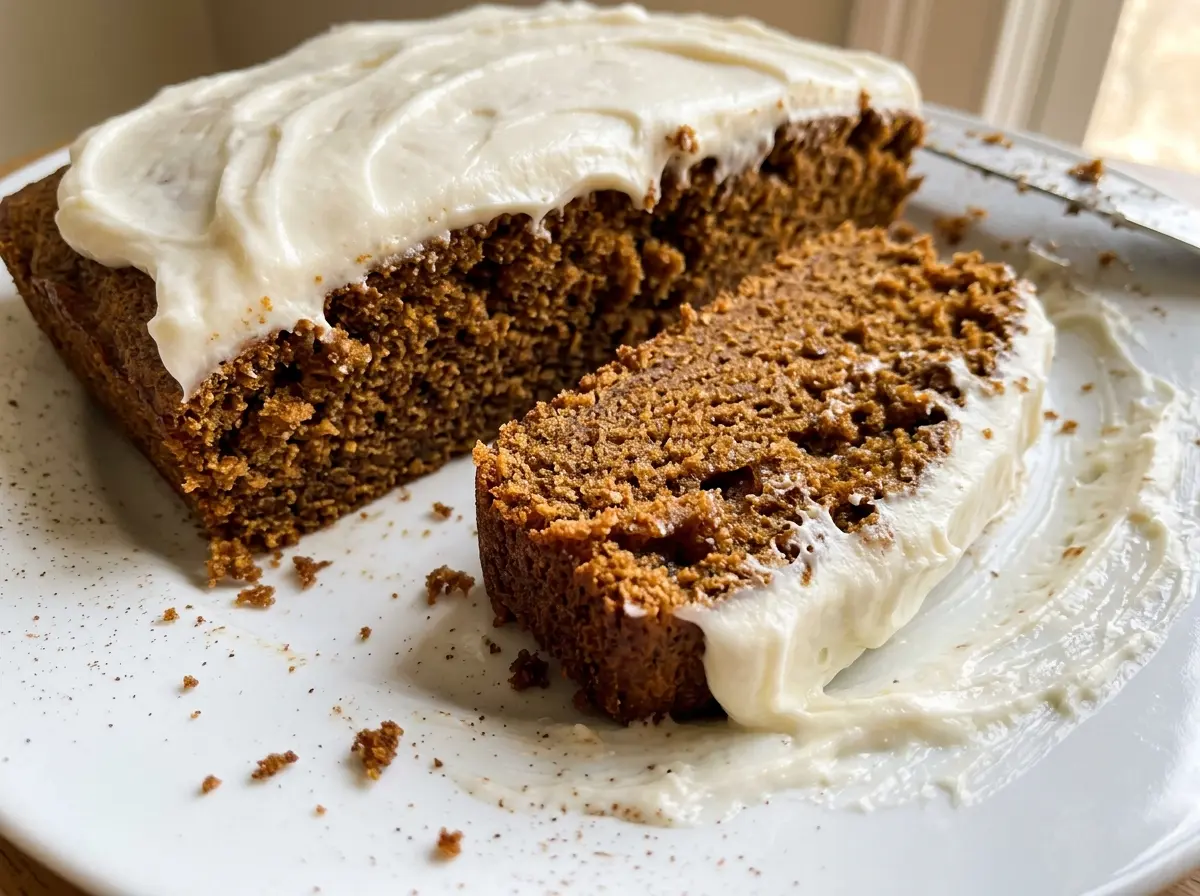
Check the very center with a toothpick, not just the edges. A few moist crumbs are fine; waiting for the whole cake to look dry can leave the edges overbaked.
Save this gingerbread sheet cake for its soft crumb, warm ginger, and deep molasses flavor.
Why Overmixing Can Make Gingerbread Cake Tough
Once flour meets liquid, mixing starts to develop gluten. That structure helps a cake hold together, but too much mixing can make the crumb firm instead of tender. Gingerbread batter has molasses and buttermilk in it, so dumping all the liquid in at once and beating until the batter looks perfectly smooth can tempt you to keep mixing longer than necessary.
Adding the dry mixture in three additions, alternating with the buttermilk in two, gives the ingredients a chance to come together gradually. Starting and ending with the flour mixture also helps the batter stay cohesive as you mix. Keep the mixer on low and stop when the flour is incorporated; a few small, harmless lumps are better than a batter that’s been beaten past that point. Spread it evenly in the pan rather than trying to smooth it by mixing longer, and the cake will bake with a soft, even crumb.
How Molasses, Buttermilk, and Spices Shape This Cake
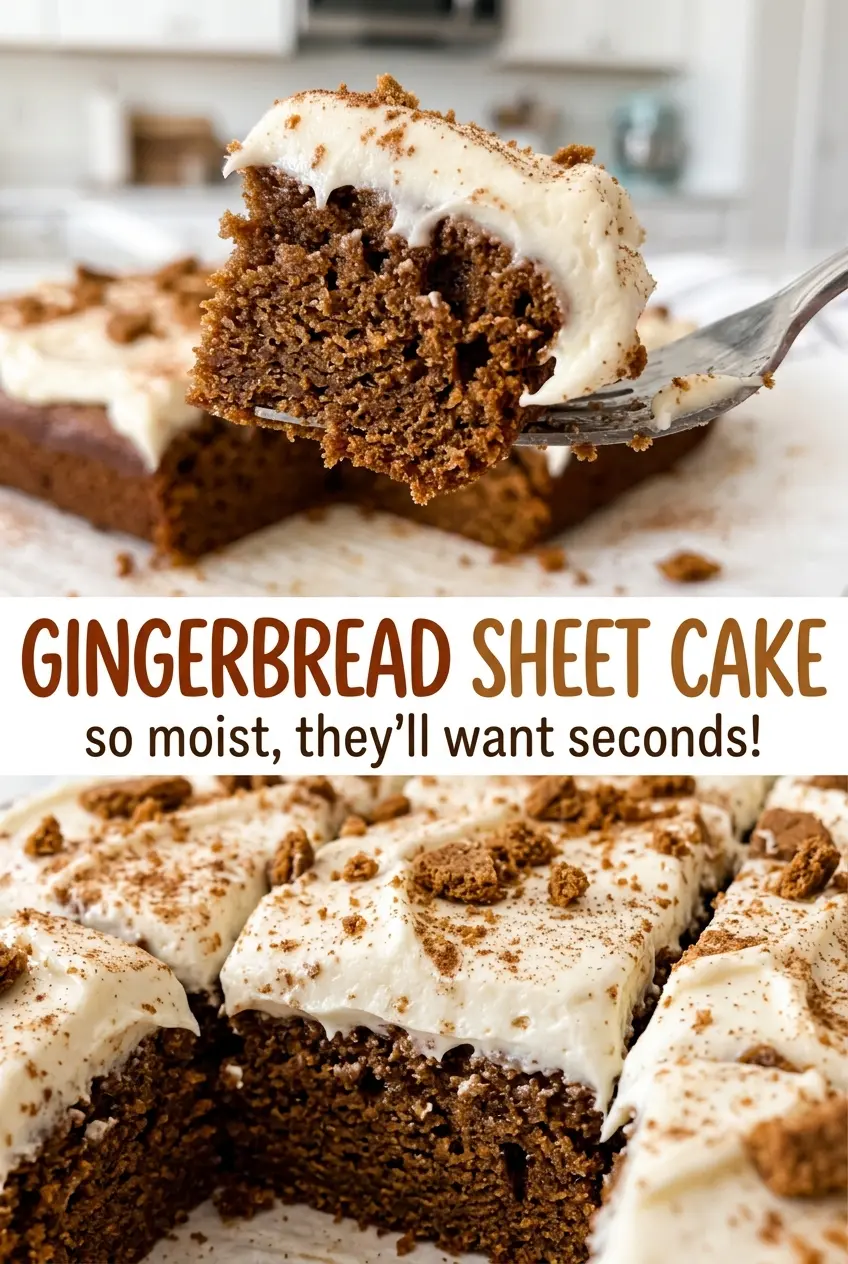
- Unsulphured molasses — It brings the characteristic deep, mellow gingerbread flavor as well as moisture. Blackstrap is much more assertive and bitter, so it isn’t a good one-for-one choice here. Choose regular unsulphured molasses; there’s no need to buy a specialty brand.
- Buttermilk — Its tang balances the sweetness, and its acidity works with the baking soda. If you don’t have buttermilk, stir 1 tablespoon of lemon juice or white vinegar into 1 cup of milk and let it stand for 5 minutes before using it. The result is a little less rich than real buttermilk, but it works in the batter.
- Ground ginger, cinnamon, and cloves — Together they give the cake its familiar gingerbread warmth without overpowering the molasses. Fresh, fragrant spices make the biggest difference; if a jar has been open for years and smells faint, replace it before baking.
- All-purpose flour — It gives the cake enough structure to slice neatly while keeping the crumb soft. A fresh bag from an everyday brand is fine; measuring it lightly matters more than choosing a premium flour.
- Baking soda and baking powder — Both leaveners are included, so use both rather than swapping one for the other. Baking soda responds to the acidic buttermilk, while baking powder supplies additional lift.
- Butter, sugar, and egg — Softened butter can trap air as it’s beaten with the sugar, and the egg helps bind the batter. Bringing the egg to room temperature helps it mix in more evenly instead of chilling the creamed butter.
How to Mix and Bake the Cake Without Overworking It
Prepare the pan and dry mixture
Heat the oven to 350°F and grease a 9×13-inch baking pan. Whisk the flour, baking soda, baking powder, ginger, cinnamon, cloves, and kosher salt together in a medium bowl so the spices and leaveners are distributed throughout. Break up any clumps you see before moving on; a pocket of baking soda can leave an unpleasant spot in a slice.
Cream the butter, sugar, and molasses
Beat the softened butter and granulated sugar in a large bowl until the mixture looks light and fluffy, about 2 minutes. Add the room-temperature egg and beat it in, then mix in the molasses. The mixture will turn dark once the molasses goes in; that color is expected, so judge the creaming stage before adding it.
Alternate the flour mixture and buttermilk
Add the flour mixture in three additions, alternating with the buttermilk in two additions, and begin and end with the flour mixture. Mix on low just until combined. Scrape the sides of the bowl if dry flour is clinging there, but don’t keep beating once it has disappeared into the batter.
Bake until the center is set, then cool
Spread the batter evenly in the greased pan so it bakes at a consistent depth. Bake for 30 to 35 minutes, until the top springs back lightly when touched and a toothpick inserted in the center comes out clean or with a few moist crumbs. Cool the cake in the pan on a wire rack for at least 20 minutes before slicing; cutting while it’s piping hot makes the tender crumb more likely to tear.
Three Practical Ways to Change This Gingerbread Cake
Use light brown sugar for a deeper caramel note
Replace the granulated sugar with the same amount of packed light brown sugar. The cake will have a slightly more caramel-like flavor and a touch more moisture, while keeping its gingerbread character.
Make it gluten-free with a measure-for-measure blend
Use a 1:1 gluten-free baking flour blend that contains xanthan gum in place of the all-purpose flour. The cake may have a slightly more delicate crumb, so let it cool fully before cutting if you want especially neat squares.
Make a dairy-free batter
Use a plant-based baking stick in place of the butter. For the buttermilk, combine 1 cup unsweetened soy milk with 1 tablespoon lemon juice or white vinegar and let it stand for 5 minutes. The cake keeps its soft texture, though it won’t have quite the same buttery richness.
Storage and Reheating
- Refrigerator: Keep the cooled cake covered in an airtight container for up to 4 days. The crumb will firm up when chilled.
- Freezer: It freezes well for up to 2 months. Wrap the cooled cake or individual slices tightly, then thaw before serving.
- Reheating: Warm an individual slice in the microwave for about 10 seconds, then check it. Longer heating can dry the edges before the middle is warm.
Questions That Come Up Before This Cake Goes in the Oven
Gingerbread Sheet Cake
Ingredients
Equipment
Method
- Heat the oven to 350°F.
- Grease a 9x13-inch baking pan.
- Whisk the flour, baking soda, baking powder, ginger, cinnamon, cloves, and salt in a medium bowl.
- Beat the butter and sugar in a large bowl until light and fluffy, about 2 minutes.
- Beat in the egg, then the molasses.
- Add the flour mixture in three additions, alternating with the buttermilk in two additions, beginning and ending with the flour mixture.
- Mix on low just until combined.
- Spread the batter evenly in the prepared pan.
- Bake for 30 to 35 minutes, until the top springs back lightly when touched and a toothpick inserted in the center comes out clean or with a few moist crumbs.
- Cool the cake in the pan on a wire rack for at least 20 minutes before slicing.


