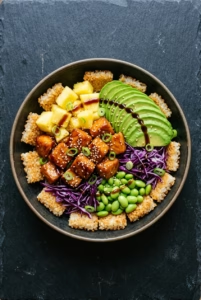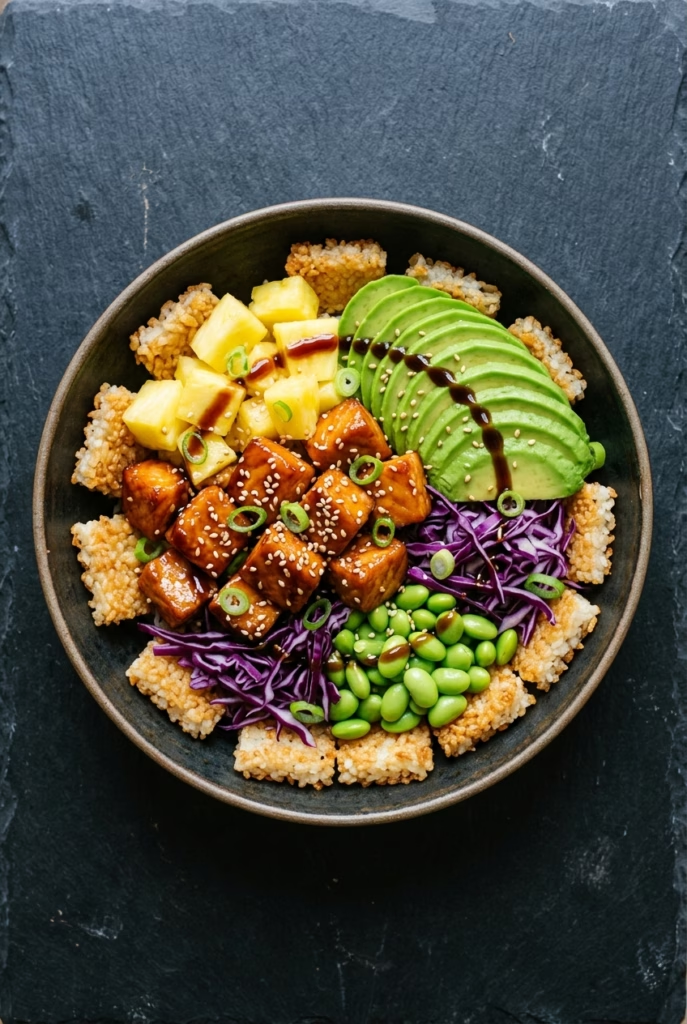
Golden crispy rice gives this poke bowl its best bite: crunchy on the outside, tender in the middle, and sturdy enough to hold glossy teriyaki salmon without turning soggy. The pineapple adds brightness that cuts through the richness of the fish, while avocado and cabbage keep every forkful balanced and fresh.
The part that makes this version work is the contrast between temperatures and textures. The rice needs to be cold and compact before it hits the pan, or it won’t hold those clean-edged squares. The salmon is only lightly dressed and chilled for a short time, which seasons it without dulling that clean, silky texture you want in a poke bowl.
Below you’ll find the small details that matter here: how thick to reduce the sauce, why the rice has to rest before frying, and how to layer the bowl so every bite gets sauce, crunch, and something bright.
The teriyaki got glossy in minutes and the salmon stayed silky after the short marinade. The crispy rice held together in the bowl and didn’t go soft under the sauce.
Crispy rice squares, glossy pineapple teriyaki salmon, and avocado make this bowl worth saving for an easy dinner that still feels special.
The Reason the Rice Has to Be Cold Before It Hits the Pan
Crispy rice bowls only work when the rice has enough structure to act like a little cake. Warm rice is too soft and steamy, so it breaks apart the moment you try to move it. Cold, compact rice fries into crisp-edged squares that keep their shape under the salmon and sauce.
The other mistake is crowding the pan or flipping too soon. The rice needs uninterrupted contact with the hot oil to build that deep golden crust. If it sticks when you lift it, give it another minute. Once the crust is set, it releases on its own.
What Each Ingredient Is Actually Doing in This Bowl
- Short-grain white rice — This is the base that turns into those crispy squares. Long-grain rice doesn’t pack together the same way, so it won’t fry up with the same sturdy texture.
- Sushi-grade salmon — Use the best fish you can find here, because it’s served lightly marinated and still tender in the center. Cube it evenly so every piece gets coated and chills at the same rate.
- Mirin and honey — These give the teriyaki sauce its shine and body. If you skip either one, the sauce tastes flatter and won’t glaze the salmon as well.
- Fresh pineapple — This isn’t just garnish. The acidity and sweetness cut through the salty sauce and rich salmon, and fresh pineapple keeps a brighter snap than canned.
- Rice vinegar and sriracha — These season the salmon without turning it into a heavy marinade. The vinegar brightens the fish, and the sriracha adds just enough heat to keep the bowl from tasting one-note.
Building the Crispy Rice and Salmon Without Breaking Either One
Reducing the teriyaki until it coats the spoon
Start the sauce before anything else so it has time to cool. Let it simmer until it looks glossy and slightly syrupy, not thick like caramel. If it reduces too far, it will cling in sticky clumps instead of glazing the salmon and bowl. Pull it from the heat as soon as it leaves a clear line when you drag a finger through it.
Marinating the salmon for flavor, not for cure
Toss the salmon with just a few tablespoons of cooled sauce, rice vinegar, and sriracha, then stop there. A short 15-minute chill seasons the outside without softening the fish. If it sits much longer, the vinegar starts changing the texture and the cubes can lose that clean, sashimi-like bite.
Pressing and frying the rice into squares
Pack the cooled rice firmly into a parchment-lined container so the grains lock together. Chill it until the block feels firm enough to slice without crumbling, then cut clean squares. In the pan, don’t move them early; let the first side build a crust before you flip. You want an audible crunch when you tap the top with a spatula.
Assembling the bowl in the right order
Use the crispy rice as the base, then place the salmon in the center so the toppings stay visible around it. Add the pineapple, avocado, cabbage, and edamame in separate sections instead of tossing everything together. That keeps the bowl bright and lets the sauce hit each ingredient differently, which is part of what makes every bite interesting.
How to Adapt This for Different Needs and Different Nights
Swap the salmon for tuna
Sushi-grade tuna works with the same marinade and gives you a firmer, meatier bite. The flavor stays clean, but the bowl loses a little of the richness that salmon brings, so the avocado and sesame finish become even more important.
Make it gluten-free without losing the glaze
Use tamari in place of soy sauce and keep the rest of the sauce the same. You’ll still get that deep savory-sweet finish, and the texture won’t change at all.
Turn it into a cooked bowl
If raw fish isn’t your thing, sear the salmon cubes in a hot pan for 1 to 2 minutes per side and spoon the sauce over them at the end. The bowl gets a little heartier and less delicate, but the pineapple and crispy rice still carry the same contrast.
Storage and Reheating
- Refrigerator: Store the components separately for up to 2 days. The salmon and toppings stay best when the rice isn’t mixed in, because the crust softens fast once it’s sauced.
- Freezer: Don’t freeze the assembled bowl. The fish and avocado won’t recover well, and the rice loses the crisp texture this recipe depends on.
- Reheating: Re-crisp the rice in a dry skillet over medium heat or in an air fryer until the edges wake back up. Never microwave the rice if you want that crunchy base to stay intact.
Questions I Get Asked About This Recipe
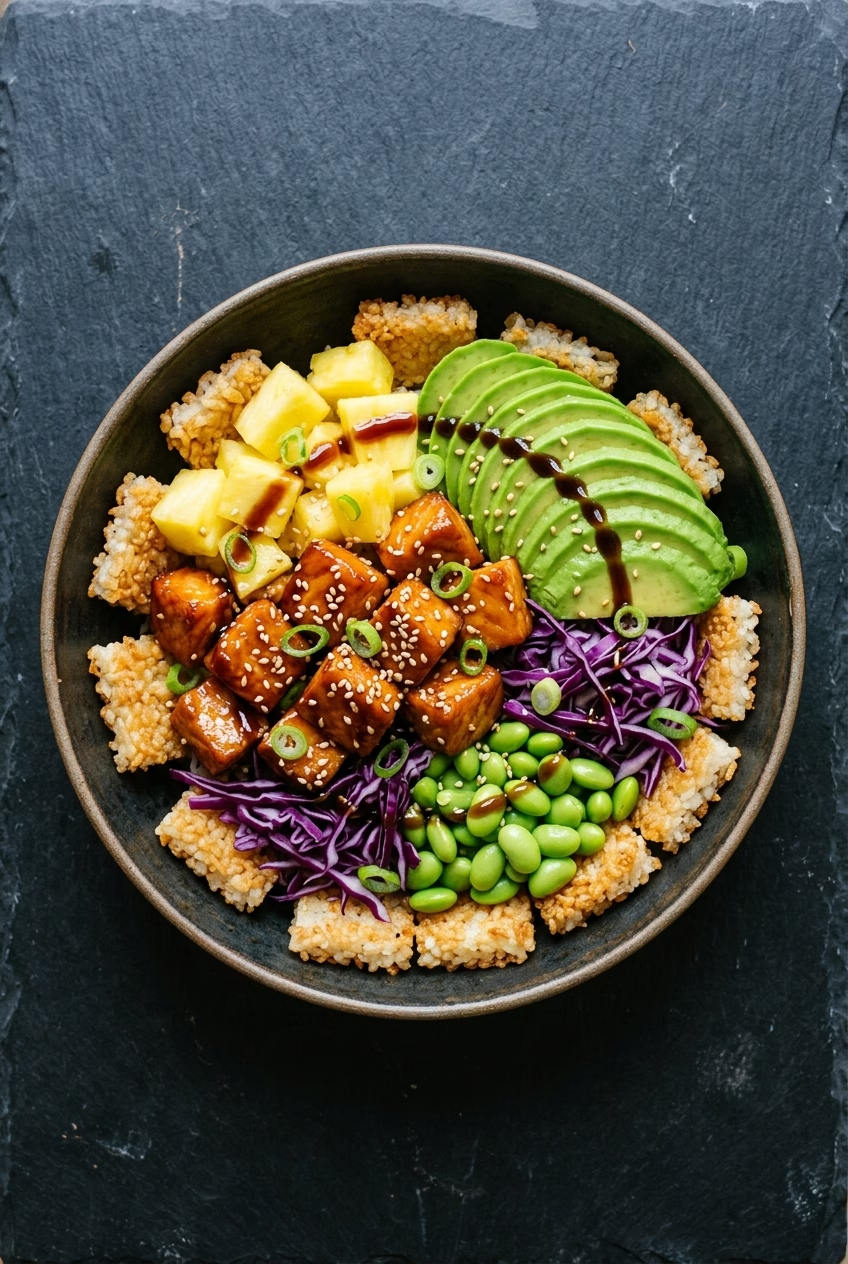
Pineapple Teriyaki Salmon Poke Bowl with Crispy Rice
Ingredients
Equipment
Method
- In a small saucepan over medium heat, combine soy sauce, mirin, honey, sesame oil, ginger, and garlic. Simmer for 3-4 minutes until slightly thickened and glossy, coating a spoon and leaving a clean line when you run your finger through it; remove from heat and cool to room temperature.
- Toss salmon cubes with 3 tablespoons of the cooled teriyaki sauce, rice vinegar, and sriracha until evenly coated. Refrigerate for 15 minutes to absorb flavor without breaking down the fish.
- Press the cooled cooked short-grain white rice firmly into a parchment-lined square container until about 3/4 inch thickness. Refrigerate for 30 minutes until firm enough to slice cleanly, then cut into 2-inch squares.
- Heat neutral oil in a cast iron skillet over medium-high heat until shimmering. Add rice squares without crowding and press each one gently with a spatula, cooking 3-4 minutes without moving until the bottom is deep golden and crispy.
- Flip each rice square and cook another 2 minutes until the crust is audibly crunchy when tapped.
- Build bowls by arranging crispy rice squares as the base and placing salmon in the center. Surround with pineapple, avocado, purple cabbage, and edamame, drizzle with the remaining teriyaki sauce, then finish with sesame seeds and green onions.